Irvine, California — Serving Attorneys Nationwide
MDL · Mass Tort · Class Action

Trial graphics for MDL and class action proceedings

Mechanism, exposure, corporate knowledge and class-wide damages, made clear for the judge at a science day, the court at a Rule 702 hearing, a bellwether jury, or a mediator. For plaintiff and defense teams.

20 years  ·  1,600+ matters  ·  Founder holds a J.D.

Existing portfolio samples from other matters. Select to view.

What Visuals Can Explain in Your Litigation

Choose a proceeding to see the questions its visual evidence usually has to answer, and the closest work we have already produced.

Each Stage Has a Different Audience. The Core Explanation Stays the Same.

MDL and mass tort

Typical stages where visuals carry the argument
  1. Science day

    Transferee judge
    Needs to see
    How the product, exposure pathway or disease process works, presented neutrally.
    Typical deliverable
    Tutorial presentation; mechanism animation.
  2. Rule 702 hearing

    Court
    Needs to see
    What each study measured, and where the experts’ readings of the record diverge.
    Typical deliverable
    Study-comparison and methodology exhibits.
  3. Bellwether trial

    Jury
    Needs to see
    The general-causation story, then this plaintiff’s product, exposure, diagnosis and treatment.
    Typical deliverable
    Opening and expert demonstratives; case-specific animation layers.
  4. Mediation & settlement

    Mediator, opposing counsel
    Needs to see
    The strongest points in minutes, and how tried cases compare with the rest of the docket.
    Typical deliverable
    Mediation presentation; inventory comparison charts.

Class action

Consumer, antitrust, securities, employment, privacy
  1. Class certification

    Court
    Needs to see
    What rests on common proof, what varies by member, and how the damages model tracks the liability theory.
    Typical deliverable
    Common-proof and damages-model exhibits.
  2. Trial

    Jury
    Needs to see
    The conduct timeline, its effect on prices or transactions, and how the number is built.
    Typical deliverable
    Timelines; benchmark and damages charts.
  3. Settlement approval

    Court, class members
    Needs to see
    How notice, claims, opt-outs and payments flow from fund to member.
    Typical deliverable
    Process and distribution graphics.

Start with the next deadline; keep the assets for the ones after it. The mechanism animation, the knowledge timeline and the damages exhibits are built once, reviewed with the experts, and cut for each audience — so the explanation does not drift between proceedings or trial teams.

Existing Portfolio Samples

Produced for other matters. Shown to demonstrate capability, not involvement in any proceeding listed on this page.

See the full portfolio →

Scoped to One Deadline, Built to Be Reused

  1. Nonconfidential conversation

    The proceeding, the audience, the date, and what has to be understood. No confidential material is needed to start.

  2. Fixed-scope proposal

    Defined phases, a fixed price and prepayment. Changes to scope are quoted as changes, not absorbed silently.

  3. Storyboard with counsel and experts

    Scientific and economic content is reviewed by the expert who will be examined on it, before production begins.

  4. Production and delivery

    Delivered in the formats your trial technology team runs. Core assets stay versioned for the next hearing, bellwether or mediation.

Who you work with

Ari Zahavi
Ari ZahaviFounder. Holds a J.D.; storyboards are written in terms of elements, foundation and admissibility.
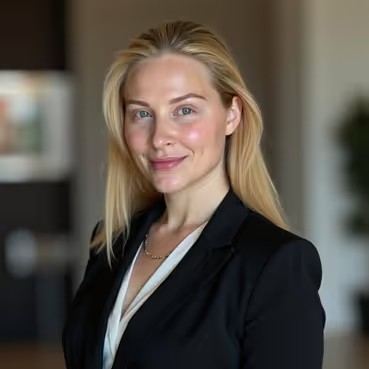
Elena Borodina
Elena BorodinaDirector of Operations. Production, schedule, quality control and delivery.

Working arrangements

  • Plaintiff leadership, individual trial firms, and defense teams
  • Direct work with your experts on scientific and economic content
  • Coordination with your hot-seat and trial technology vendors
  • One source of truth when several firms share the work

Discuss Visuals for Your Proceeding

Tell us the proceeding, the audience and the date. A nonconfidential summary is enough.

Not ready to talk? Ask for samples relevant to your proceeding.